
6 Ways Basement Foundation Repair Protects Your Property Long-Term
A home depends on its foundation to carry weight evenly and keep the structure aligned. When basement walls crack, floors slope, doors begin sticking, or water enters below grade, those symptoms may point to movement or pressure around the foundation. Addressing the underlying cause early can limit damage that otherwise spreads into multiple parts of the property.
Basement foundation repair supports more than the area beneath the home. Timely work can protect structural components, finished living areas, indoor comfort, and future resale prospects. The following six benefits show why correcting foundation problems can be a practical long-term investment rather than a temporary response to visible cracks.
1. Prevents Structural Damage From Spreading
Identifying Problems Before They Worsen
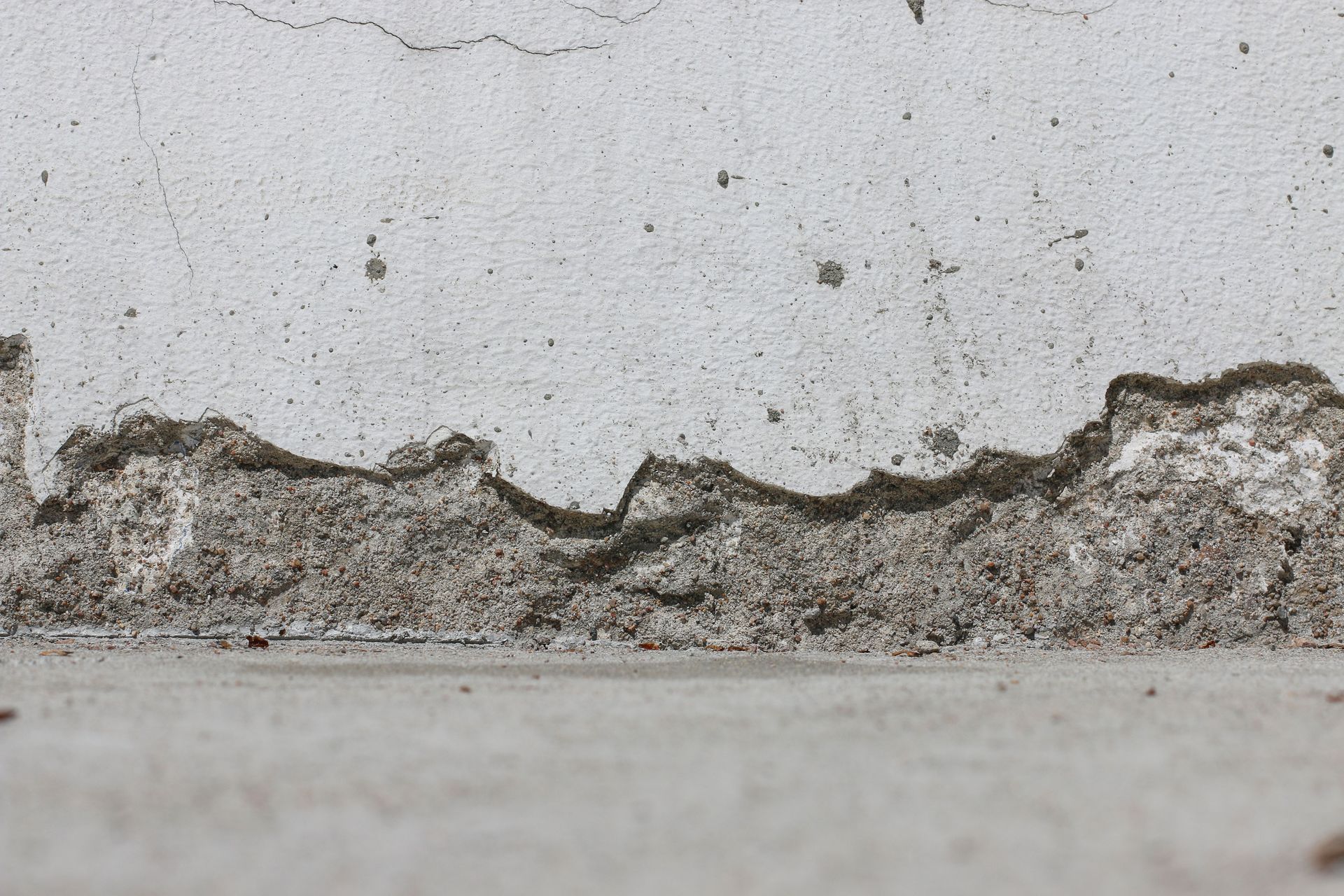
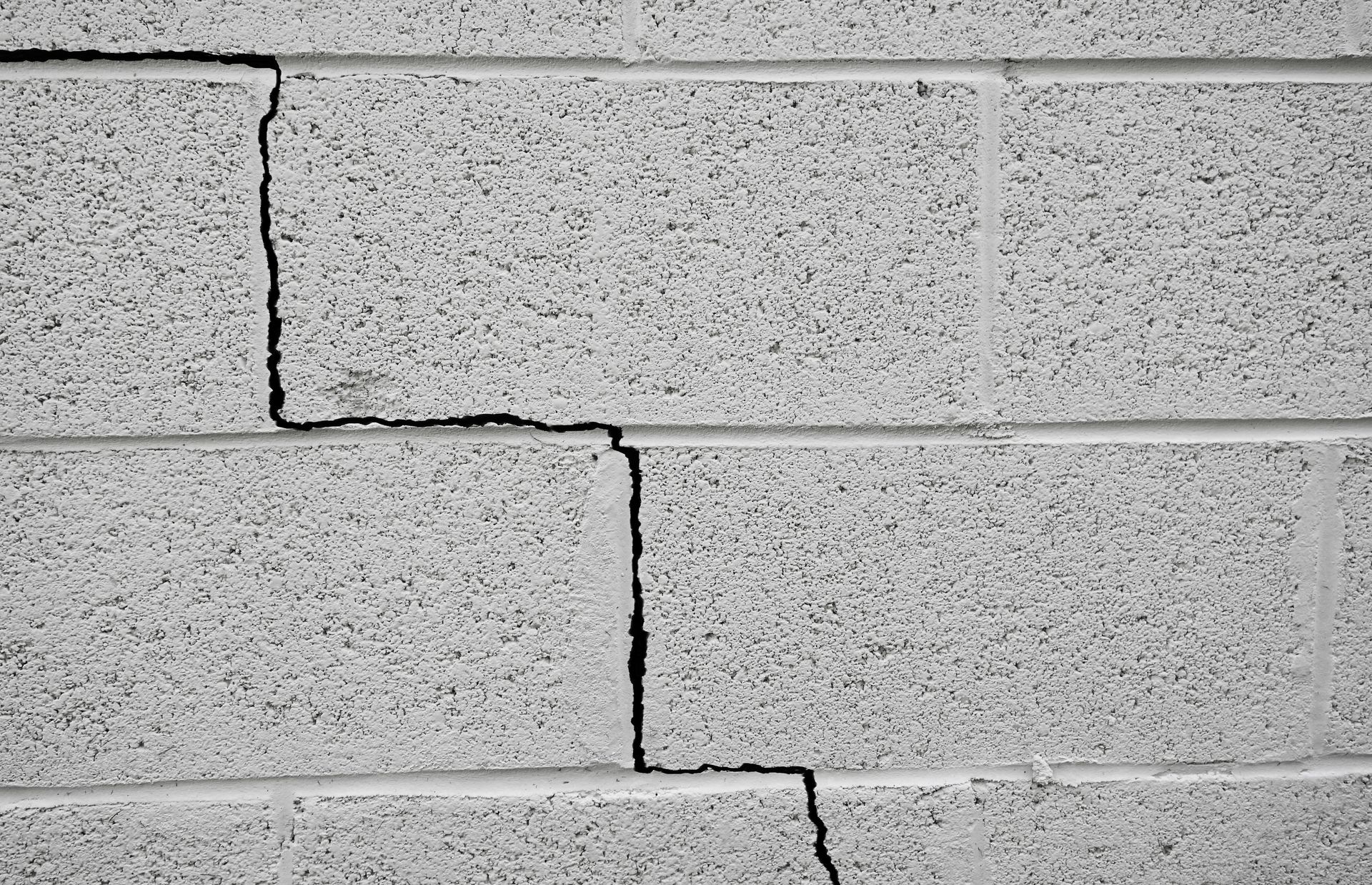
Foundation movement rarely affects only one isolated surface. Stair-step cracks in masonry, gaps around window frames, uneven floors, and doors that no longer close properly can develop as different parts of the home shift. Recognizing these warning signs promptly gives a qualified contractor an opportunity to evaluate the cause before the movement damages additional materials.
Reinforcing the Structure
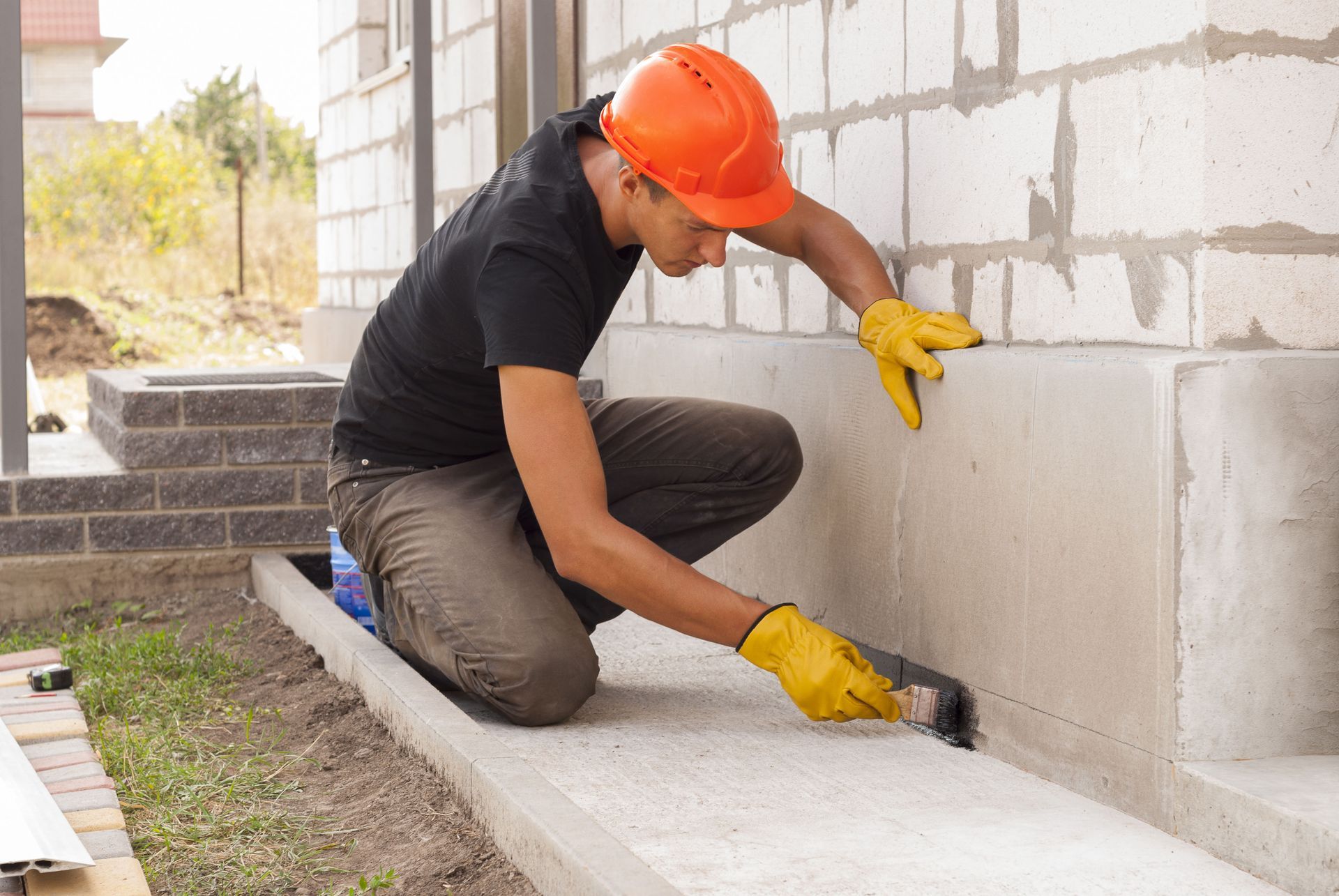
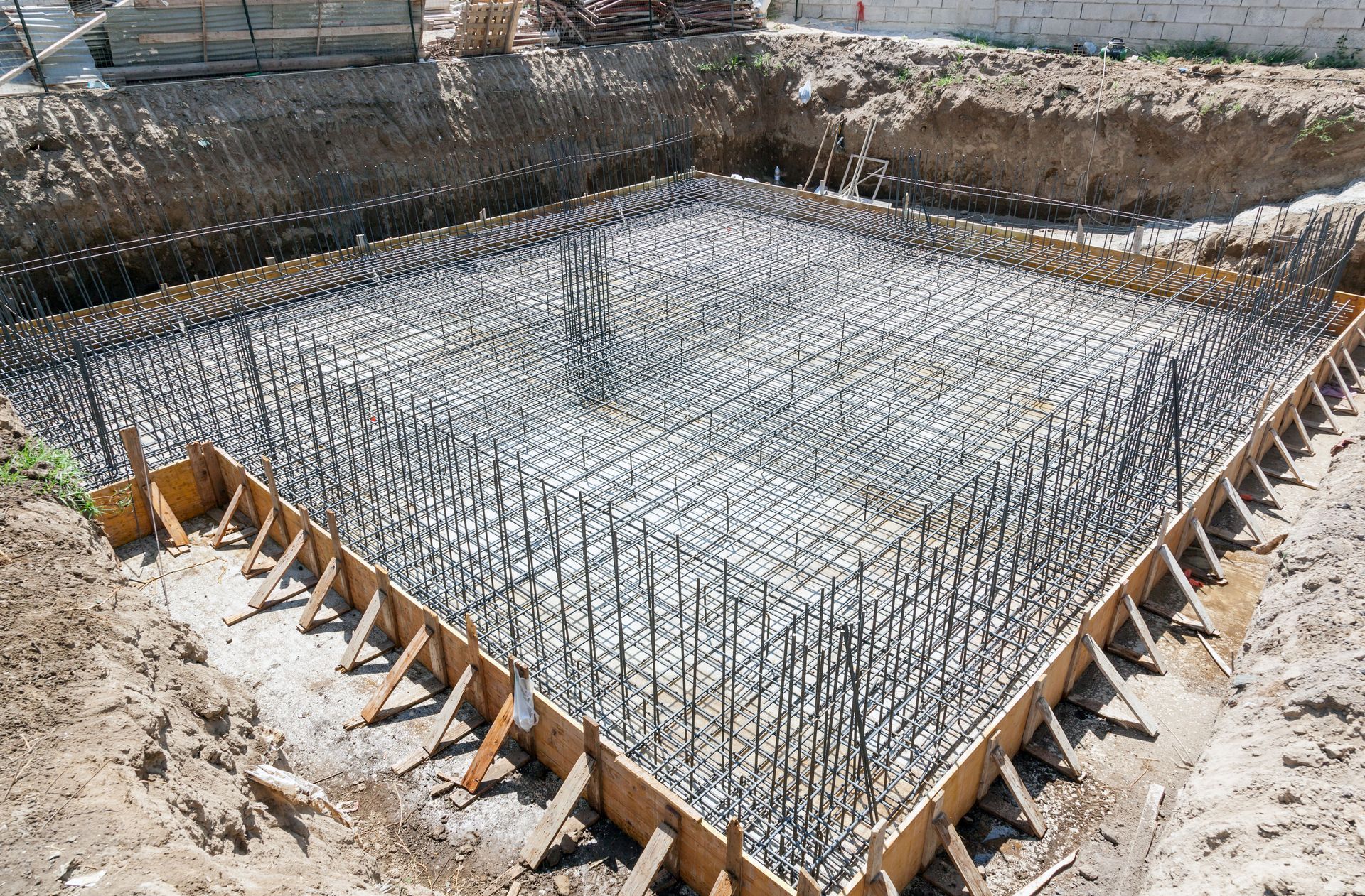
The appropriate repair depends on the foundation type, soil conditions, drainage, and extent of movement. A contractor may recommend reinforcement or stabilization methods designed for the specific problem instead of relying on a cosmetic surface fix. Correcting the source of movement helps walls, floors, framing, and roof loads remain properly supported.
2. Limits Water Intrusion and Moisture Damage
Reducing Pressure Around Basement Walls
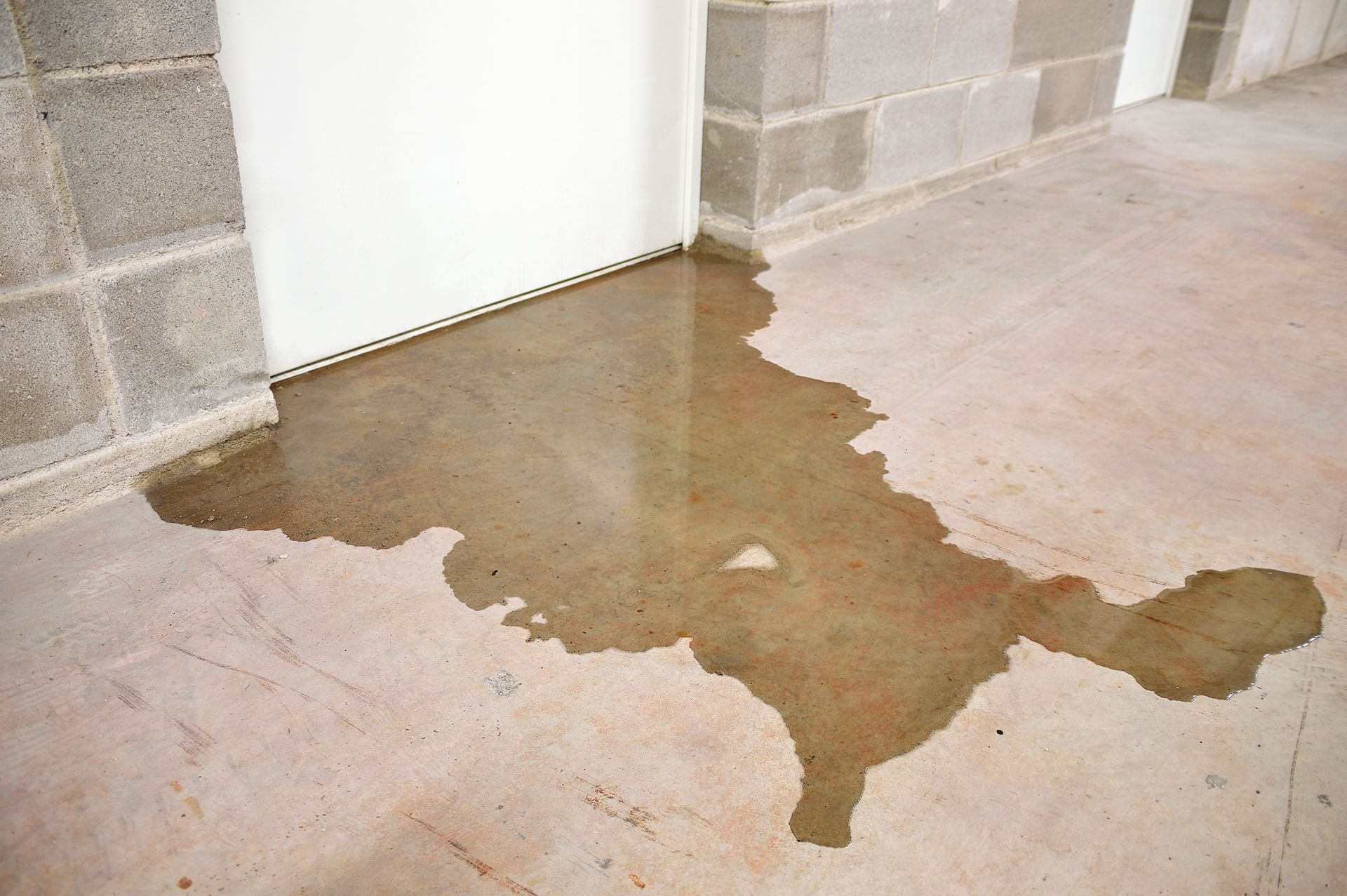
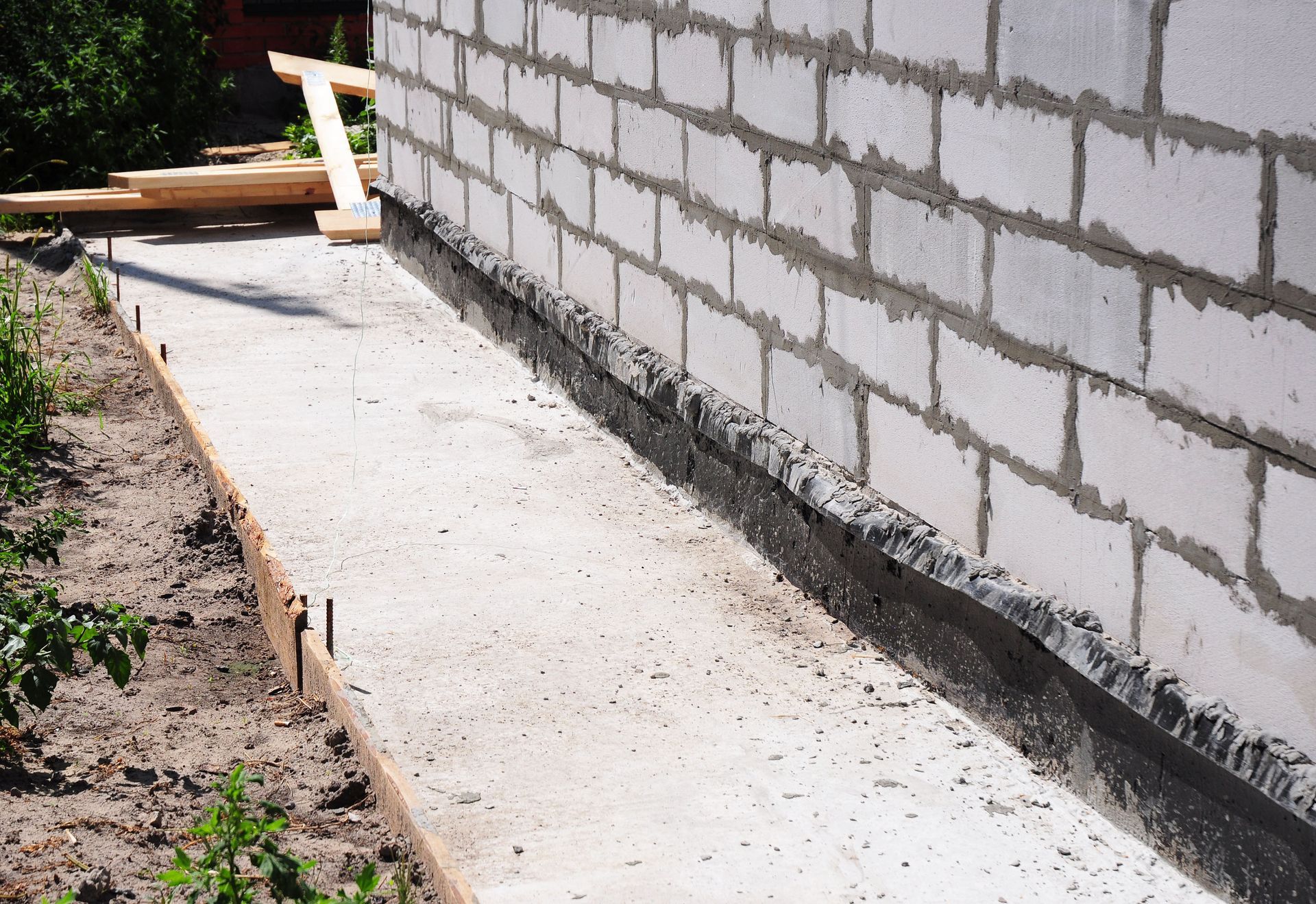
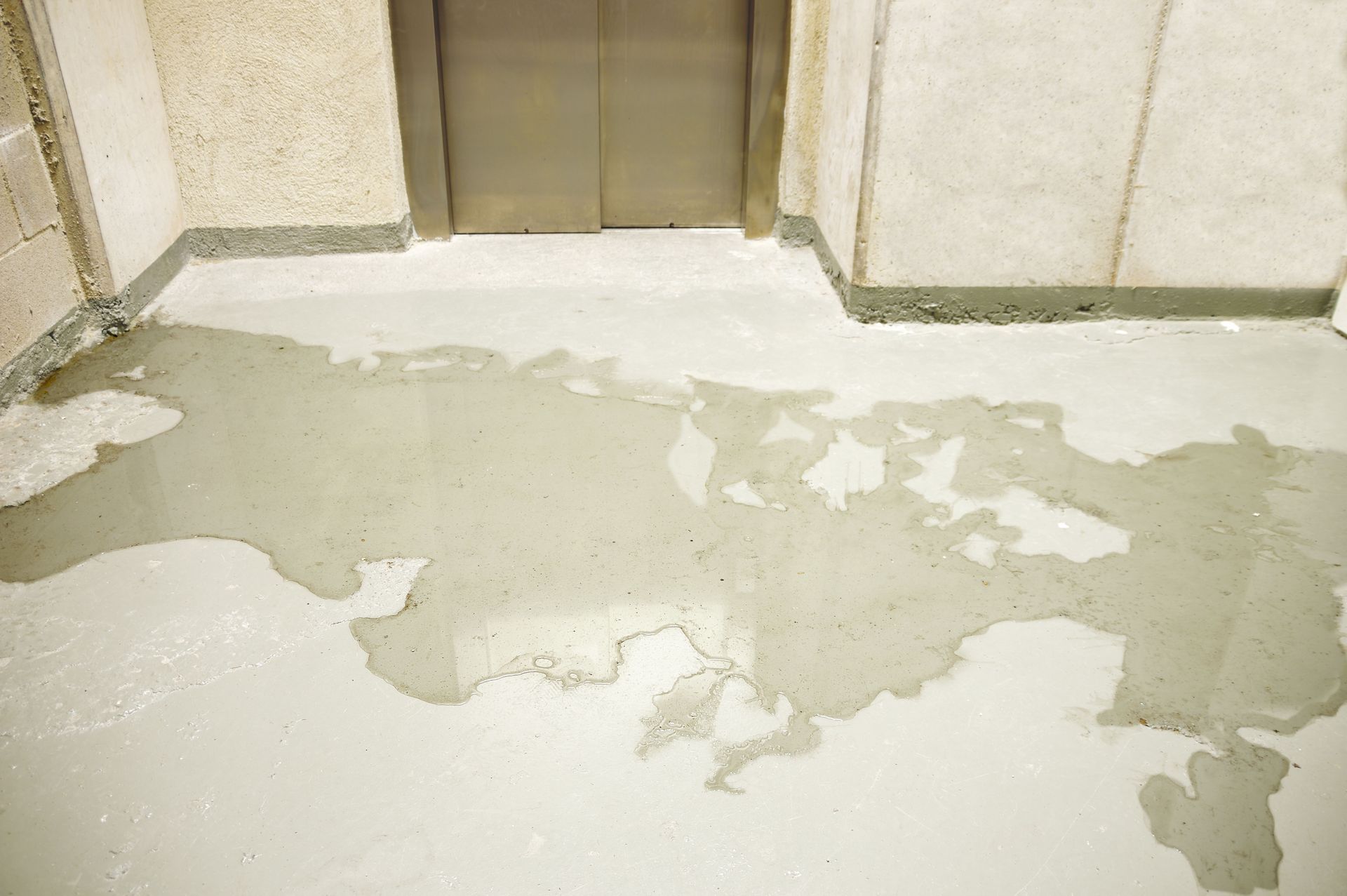
Water collecting in the soil around a basement can place hydrostatic pressure against foundation walls. Over time, that pressure may contribute to seepage, cracking, bowing, or deterioration. Gutters, extended downspouts, suitable grading, and properly designed drainage systems can help direct water away from the structure and reduce recurring stress.
Effective basement foundation repair may address openings or damaged areas through which moisture enters, but drainage conditions must also be considered. Sealing an interior stain without correcting exterior water accumulation can leave the main cause untouched. A complete evaluation connects visible moisture with the structural and site conditions that allow it to develop.
Protecting Materials and Indoor Conditions
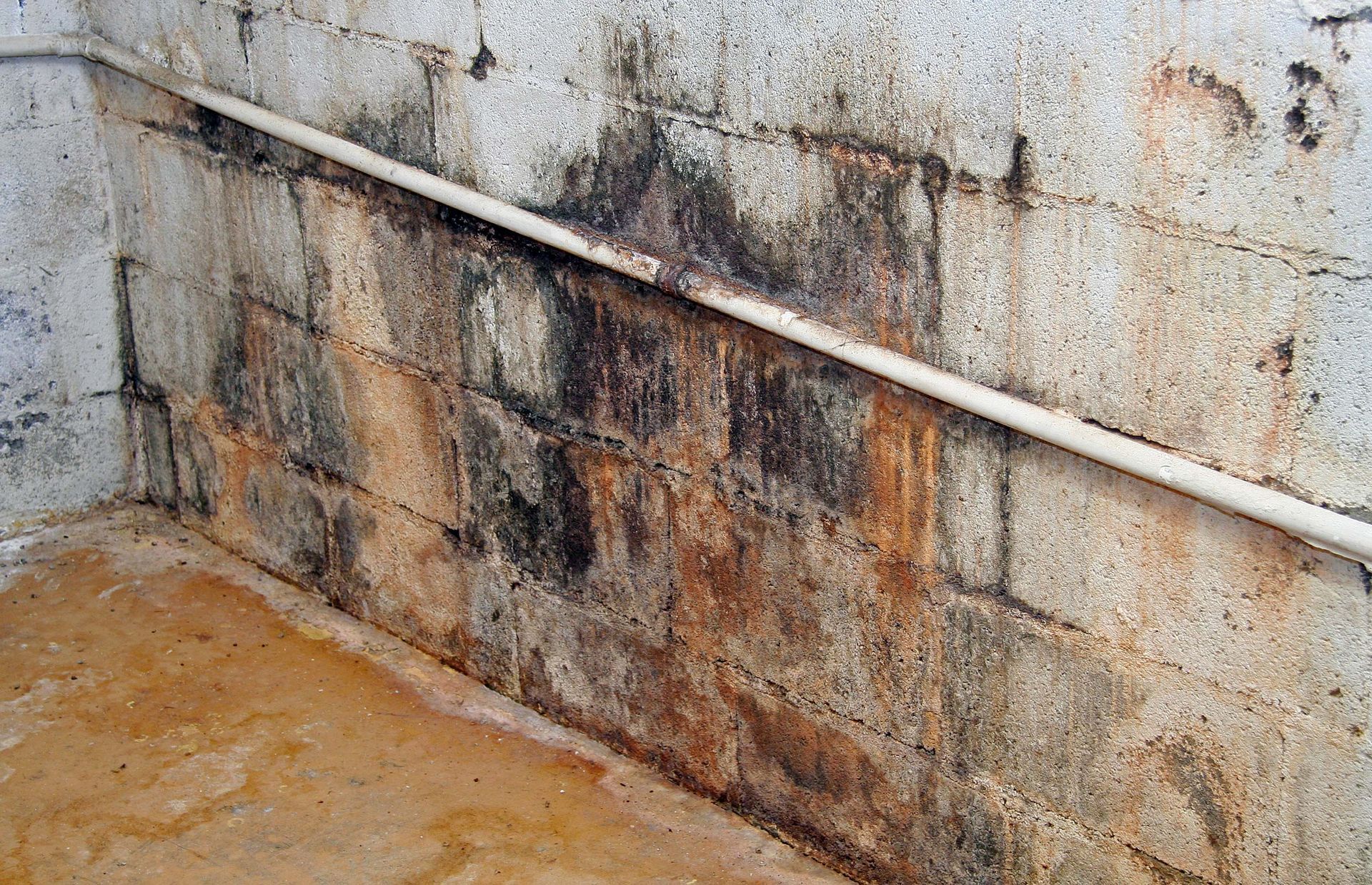
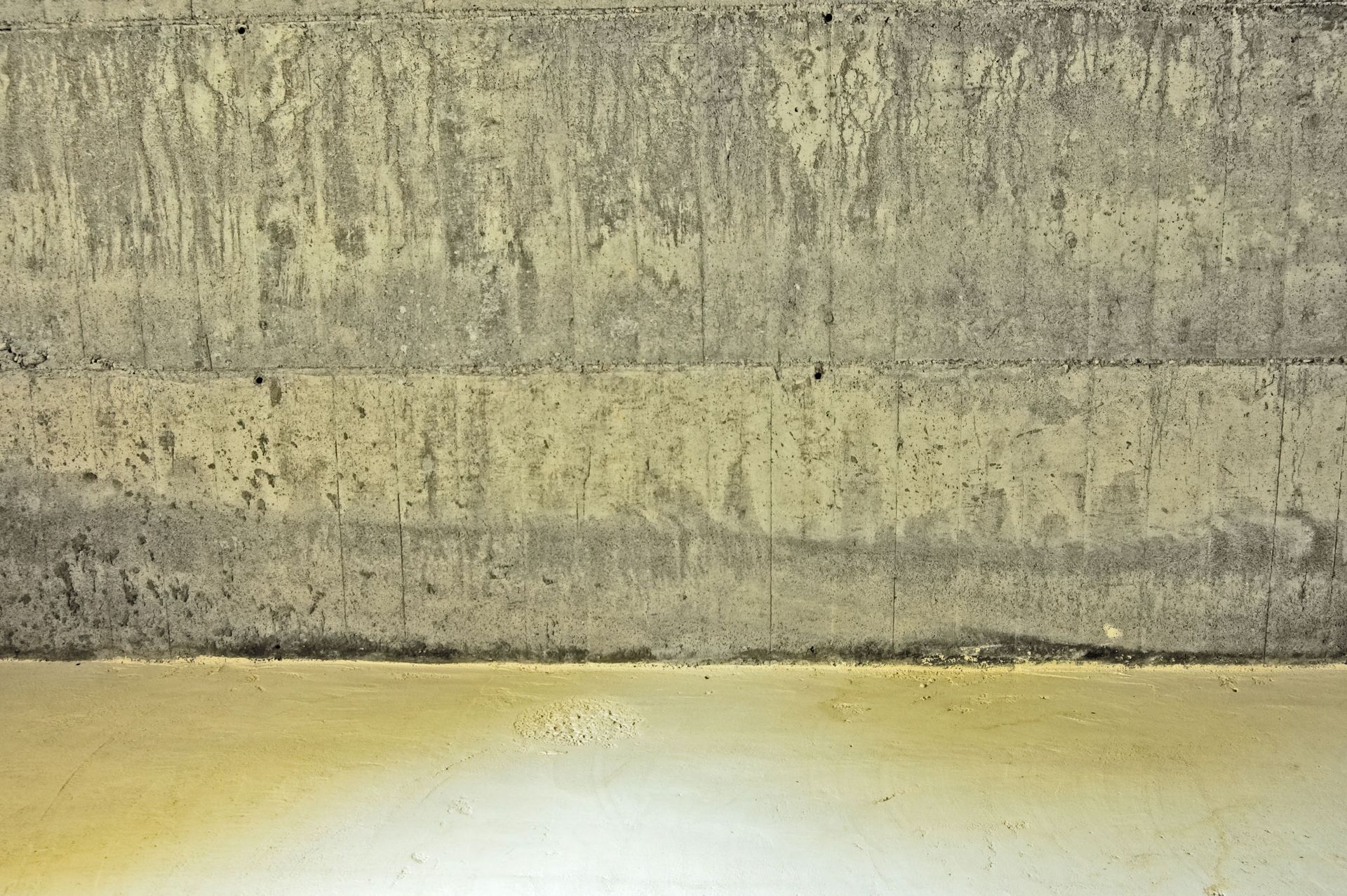
A damp basement can damage flooring, wall finishes, furniture, boxes, and other stored belongings. Persistent moisture may also support mold or mildew growth and allow musty odors to travel into upper living areas. Keeping the basement drier protects both the building materials and the usefulness of the space.
3. Supports Better Energy Performance and Comfort
Closing Gaps That Allow Air Movement
Cracks and openings around a compromised foundation can allow outside air to enter and conditioned air to escape. Cold drafts near basement walls and floors may make nearby rooms uncomfortable, while humid summer air can add moisture below grade. Sealing appropriate gaps as part of basement foundation repair can improve the boundary between the home and the outdoors.
Foundation work is not a substitute for suitable insulation or a complete energy assessment. However, stabilizing damaged areas before adding insulation prevents new finishes from concealing unresolved movement or moisture. Once the structure is sound and dry, insulation and air-sealing improvements can perform more effectively.
Reducing Strain on Heating and Cooling Systems
Temperature swings in the basement can influence the rest of the house because air moves between floors. When unwanted drafts and moisture are reduced, heating and cooling equipment may have an easier time maintaining consistent indoor conditions. This can support comfort without forcing the system to compensate continually for air leakage below grade.
4. Blocks Common Entry Points for Pests
Sealing Cracks and Openings
Small foundation gaps can provide insects and rodents with direct routes into a basement. Mice can pass through surprisingly narrow openings, while ants and other insects may follow cracks around utility penetrations, windows, or damaged masonry. Closing these access points removes convenient pathways and strengthens the home's physical defenses.
Basement foundation repair can seal structural openings, but it should be paired with sensible property maintenance. Vegetation, stored materials, standing water, and food sources near the home can continue attracting pests even after cracks are corrected. Coordinating repairs with sanitation and exterior upkeep provides more durable protection.
Preventing Secondary Property Damage
Once inside, pests may damage insulation, wiring, wood, stored goods, and finished surfaces. Droppings, nesting materials, and allergens can also affect the cleanliness of the basement. Preventing entry is typically less disruptive than responding after an infestation has spread through wall cavities or other concealed areas.
5. Preserves Interior and Exterior Appearance
Addressing the Cause of Cosmetic Defects
Cracked drywall, separated trim, sloping floors, and gaps around cabinets may appear to be isolated cosmetic flaws. If foundation movement is responsible, surface repairs alone may fail as the house continues shifting. Stabilizing the structure first creates a more reliable base for restoring finishes and maintaining clean lines throughout the home.
Exterior appearance can suffer as well. Cracks in brick or masonry, distorted siding, and gaps around doors and windows can make a property look neglected even when regular maintenance is performed. Timely basement foundation repair helps protect the alignment beneath those visible features and reduces the likelihood of repeated cosmetic work.
Protecting Improvement Investments
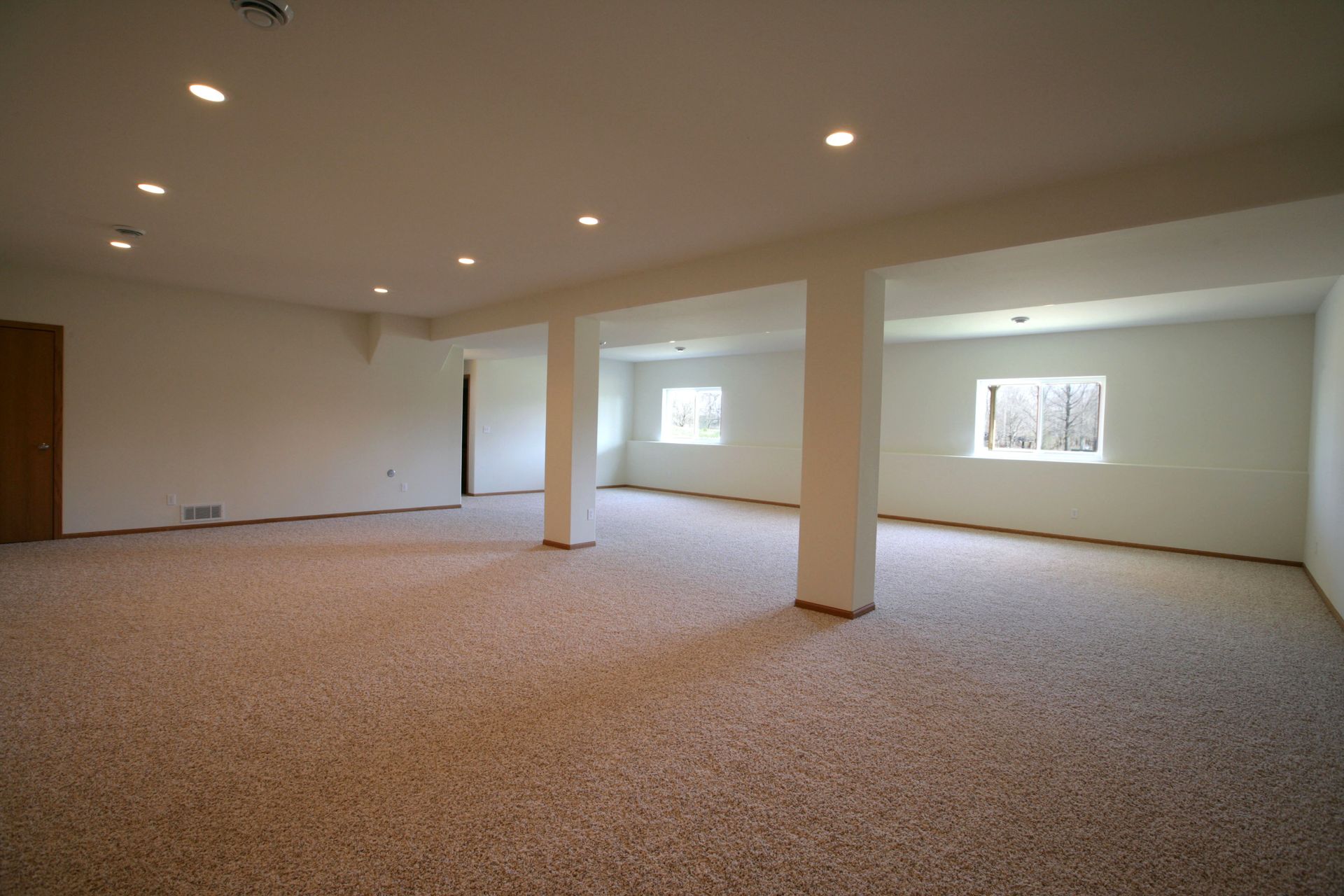
Renovations are more likely to last when the supporting structure is stable. Installing new flooring, cabinetry, wall finishes, or basement furnishings before correcting movement can expose those purchases to fresh cracks, gaps, and moisture damage. Foundation evaluation should therefore come before substantial improvements in an affected area.
6. Strengthens Resale Prospects and Property Value
Reducing Uncertainty for Buyers
Foundation concerns can make buyers hesitant because the potential scope and cost may be difficult to judge during a showing. Visible cracks, uneven floors, or moisture stains can prompt further inspections, requests for credits, or withdrawal from a transaction. Documented repairs and ongoing maintenance records can help explain what was found and how it was addressed.
According to Fixr, unresolved foundation problems can decrease a home's value by approximately 10% to 15%. Although the effect on an individual property depends on its condition and market, the estimate illustrates why delaying repairs can have financial consequences. Correcting known issues can protect marketability and reduce a major source of buyer concern.
Supporting a Smoother Sale
A sound foundation does not determine a home's entire selling price, but it supports nearly every part of the structure. Buyers and inspectors may view a repaired, stable foundation more favorably than an active problem with an uncertain outcome. Clear invoices, inspection reports, and transferable warranties, when available, can provide useful context during negotiations.
Taking action before listing may also give the homeowner more control over timing and contractor selection. Waiting until an inspection identifies a concern can create pressure to make decisions under a closing deadline. Advance planning allows repairs to be completed and monitored before the property enters the market.
Foundation problems can affect much more than a basement wall. They may contribute to structural movement, water intrusion, air leakage, pest access, damaged finishes, and reduced buyer confidence. Addressing these connected risks protects the home's function while limiting the likelihood that a manageable concern will become a larger and more expensive project.
The lasting value of basement foundation repair comes from correcting the source of damage and protecting the systems and materials above it. If you notice changing cracks, bowed walls, persistent moisture, or uneven floors, be sure to reach out to A&B Masonry!
Share On: