
Common Basement Issues Homeowners Overlook
A basement can seem like a sturdy, out-of-the-way part of the house, making small changes easy to ignore. Moisture after heavy rain, a thin wall crack, or a musty smell may not seem urgent, but each can signal a problem that becomes more expensive over time. Below grade, basements face groundwater, drainage issues, temperature changes, and hidden plumbing leaks. Because many foundations are partly or entirely concealed by finished walls, early signs can be easy to miss. Even homeowners who rarely use the basement should make a habit of looking around after storms and during seasonal thaw.
Regular inspections can catch trouble before it damages finished rooms, belongings, indoor air quality, or the structure. Some issues respond to basic maintenance; others require a qualified basement repair company to identify the cause and recommend a lasting solution.
Why Is My Basement Always Damp?
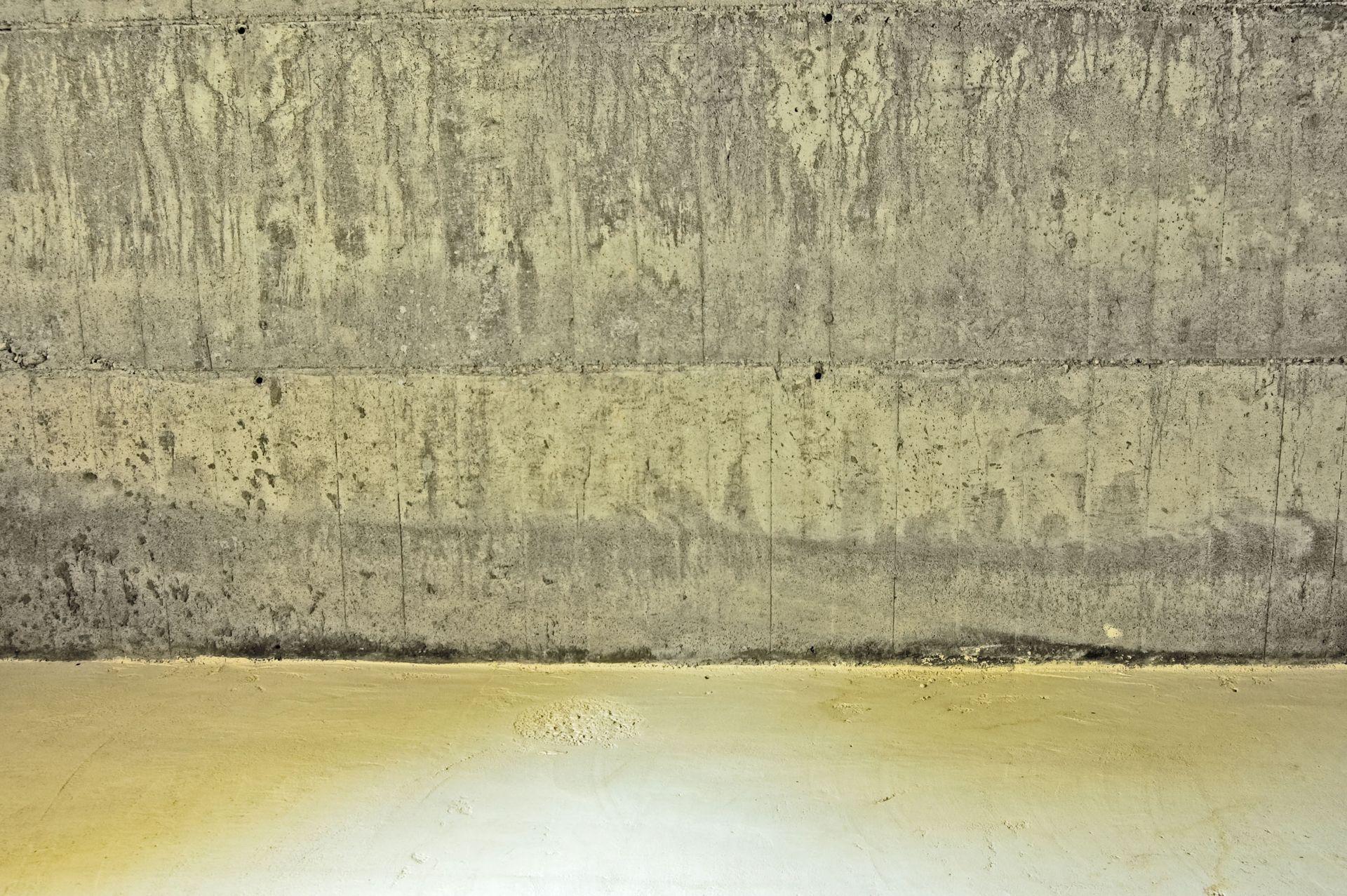
Basements are often cooler than the rest of a home, allowing warm, humid air to condense on floors, walls, and pipes. Persistent dampness may also come from foundation cracks, poorly sealed windows, plumbing leaks, or groundwater pressure. Determine where and when moisture appears before choosing a remedy.
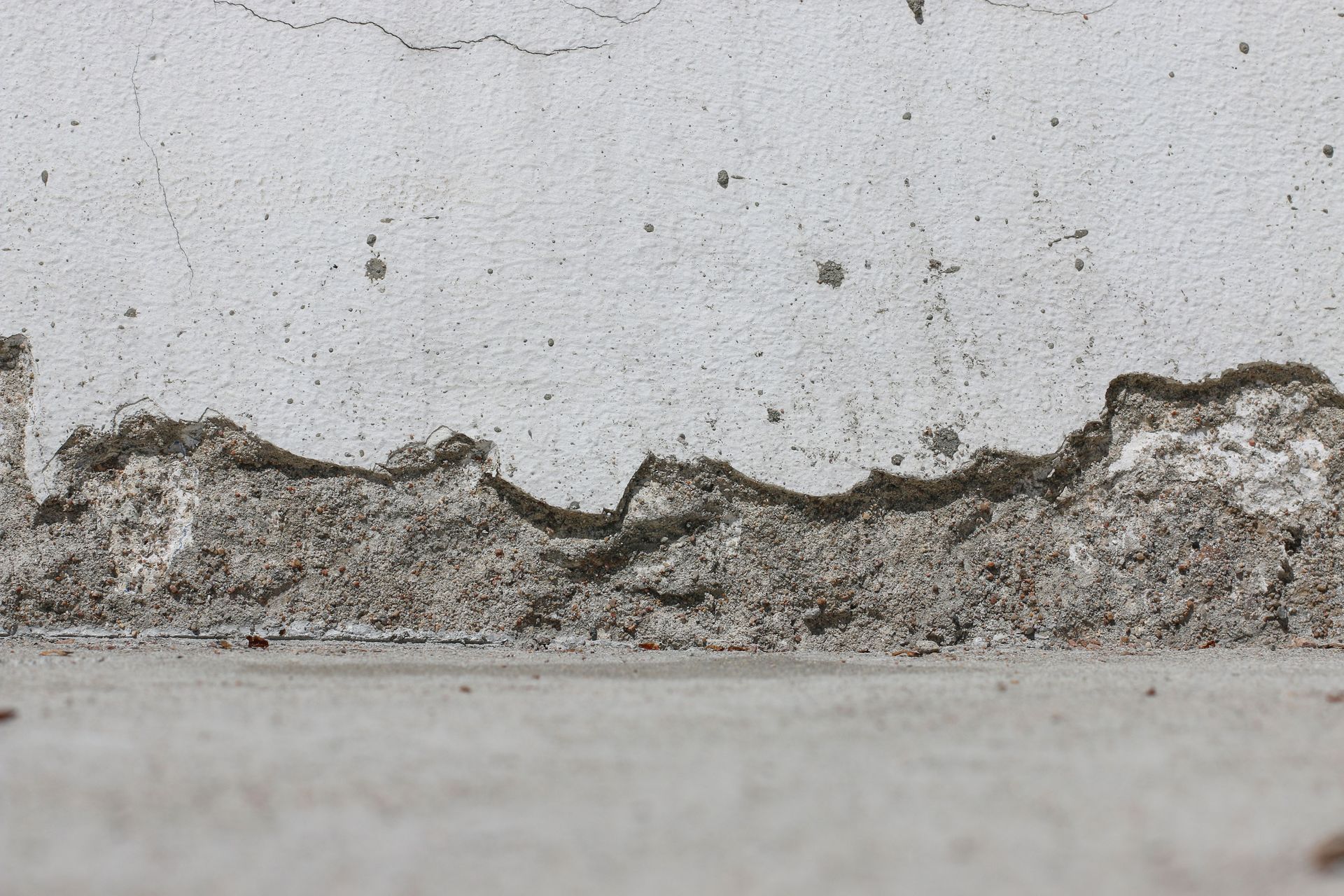
Look for water stains, peeling paint, efflorescence (a white, powdery mineral deposit), and damp areas near the floor. Note whether the problem follows rain, snowmelt, or high humidity. A dehumidifier can manage indoor moisture, but it will not stop foundation seepage; ventilation may reduce condensation without fixing poor drainage.
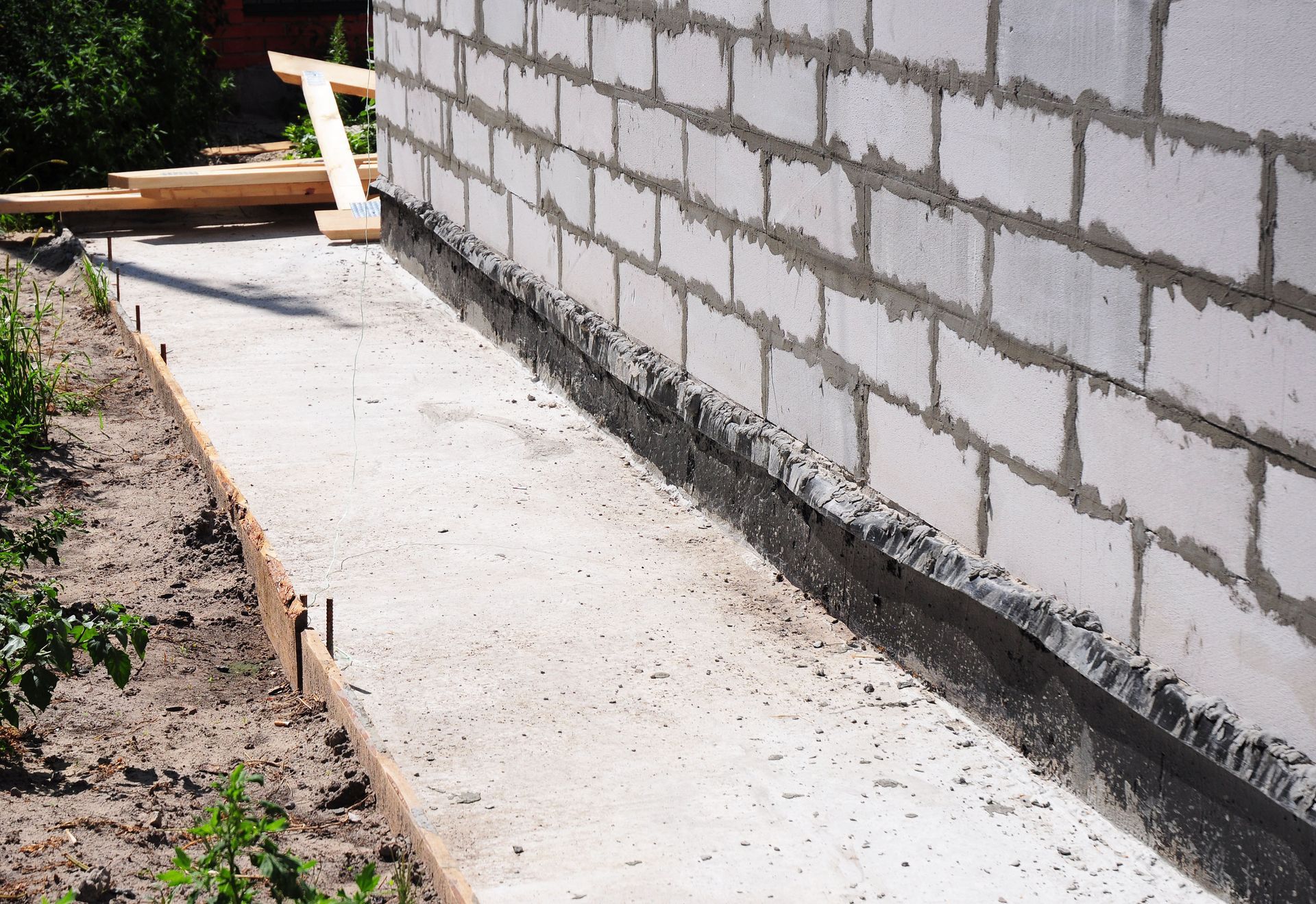
Clear gutters and downspouts, and make sure they carry water away from the house. Soil should slope away from the foundation. If dampness persists, a basement repair company can assess drainage, waterproofing, and foundation conditions. Sealing an interior surface without correcting the water's path may leave the cause untouched.
Are Cracks in My Basement Walls a Cause for Concern?
Not every basement crack signals structural failure. Concrete can develop shrinkage cracks as it cures, and stable hairline cracks may be cosmetic. Still, monitor changes in a crack's width, direction, or appearance.
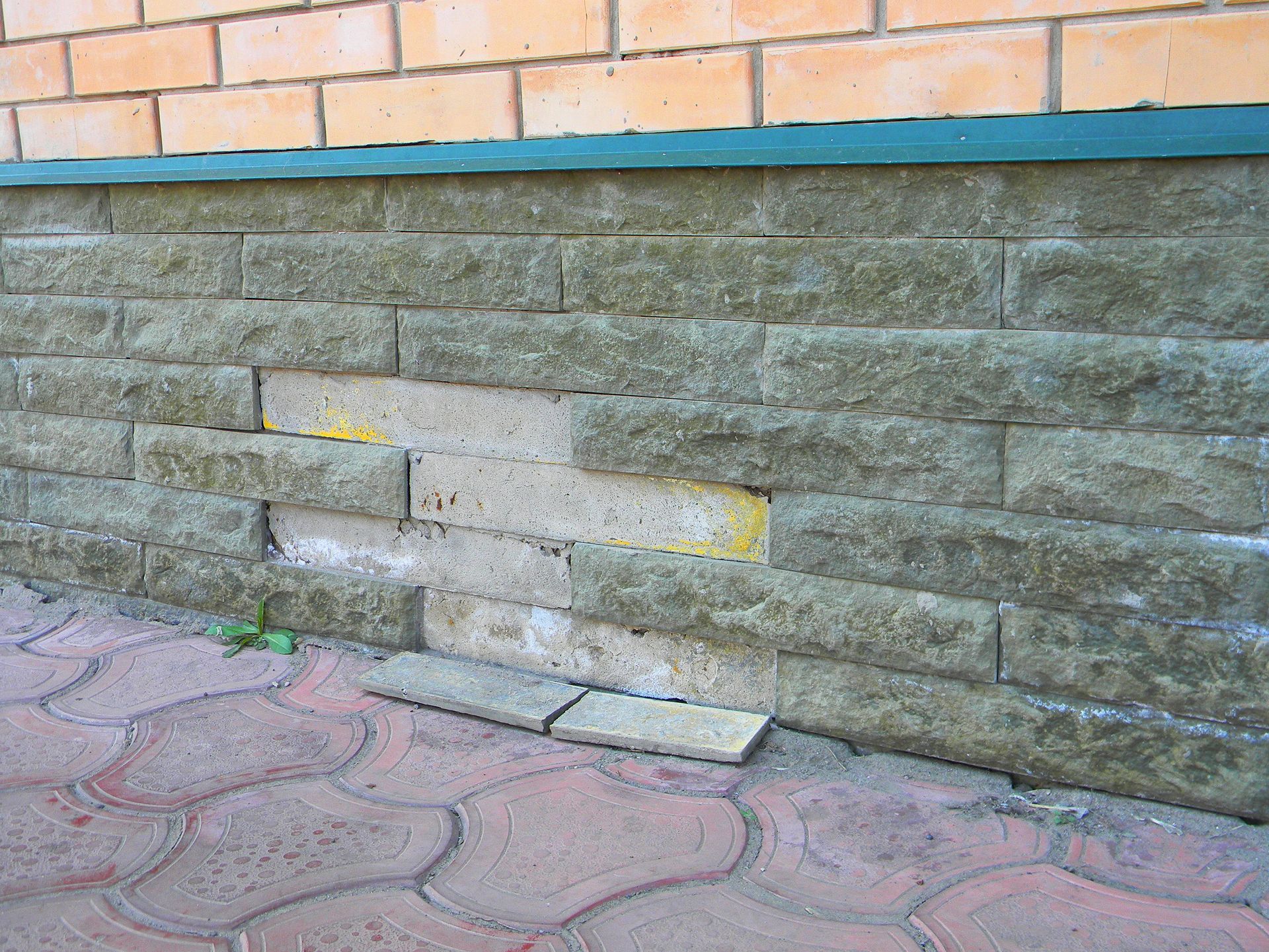
Horizontal cracks deserve particular attention because they can indicate pressure from soil and water outside the foundation. Stair-step cracks in concrete block or brick may suggest movement, while widening vertical cracks can also warrant evaluation. Be alert for walls that bow inward, sections that appear displaced, doors or windows that suddenly stick, or water entering through a crack. These symptoms can point to more than ordinary settling. The age of the home and the type of foundation matter, too, so a crack should be assessed in context rather than judged by appearance alone. When in doubt, ask a basement repair company to inspect it before attempting a cosmetic repair.
Photograph cracks and record their size and location. Do not cover a suspicious crack before understanding its cause. A qualified basement repair company can determine whether it is cosmetic, related to water pressure, or evidence of foundation movement. Repairs may involve crack injection, drainage improvements, reinforcement, or stabilization.
What Can I Do About the Musty Odor in My Basement?
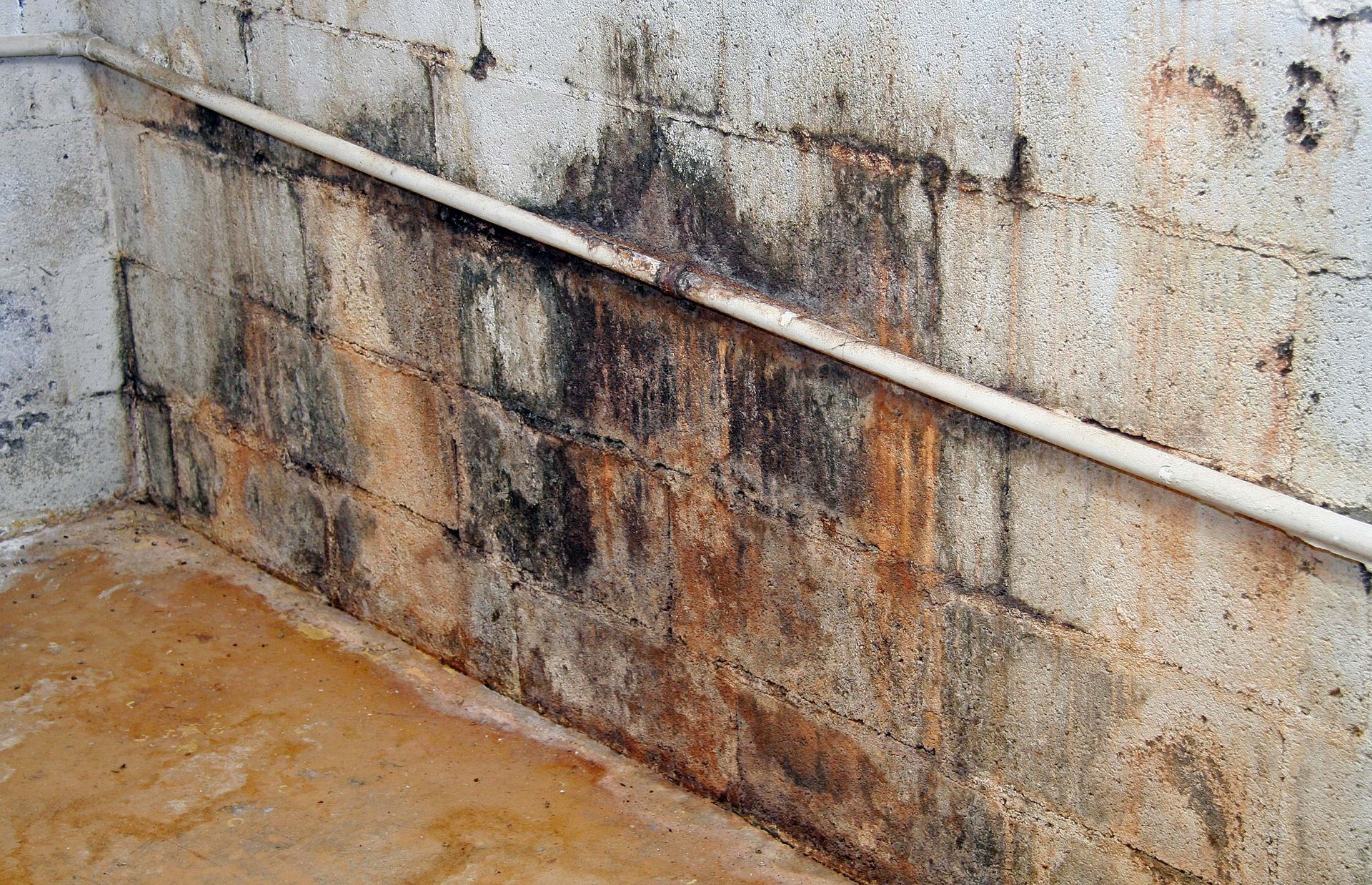
A musty smell often indicates excess moisture, even without standing water. Mold and mildew can grow on drywall, carpet, wood, insulation, and stored cardboard. Odors can also come from a floor drain, dry plumbing trap, or hidden leak, so air fresheners will not solve the problem.
Start by checking corners, closets, behind stored items, around windows, and near plumbing fixtures. Look for discoloration, fuzzy growth, condensation, or materials that feel damp. Remove wet cardboard and other items that can hold moisture, and avoid storing belongings directly against foundation walls. A dehumidifier can help maintain a more appropriate humidity level, while prompt cleanup of small, isolated areas may prevent further growth.
If the odor returns, covers a large area, or accompanies water intrusion, investigate the source. Mold can hide behind finished walls or beneath flooring. A basement repair company may identify leaks, recommend waterproofing, and determine whether damaged materials need attention. Treat persistent odors as a clue, not an inconvenience. If cleanup involves extensive mold growth or contaminated materials, avoid disturbing the area and consult an appropriately qualified remediation professional. A basement repair company can address the water problem that may be allowing the growth to return.
How Do I Prevent Basement Flooding?
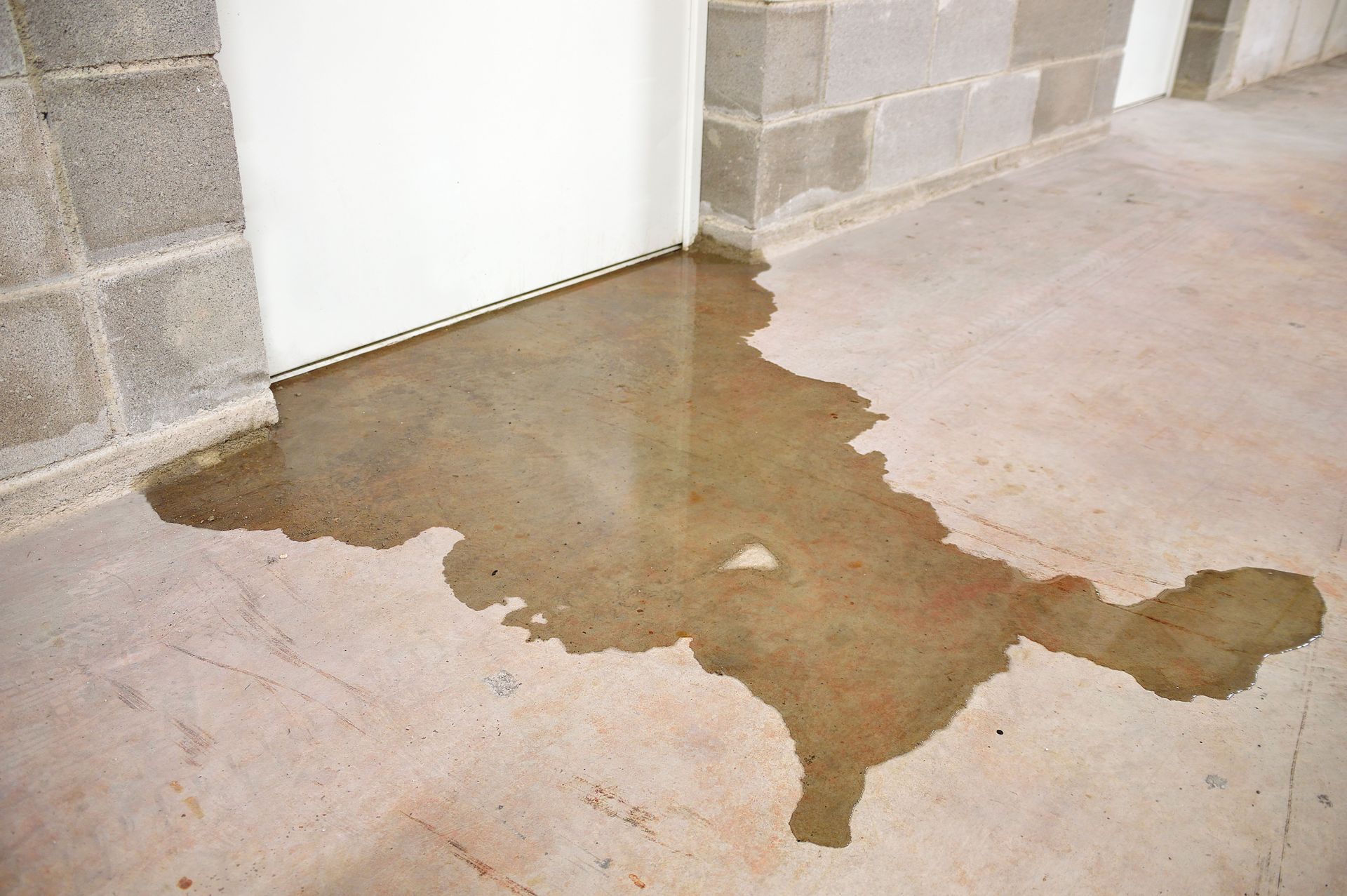
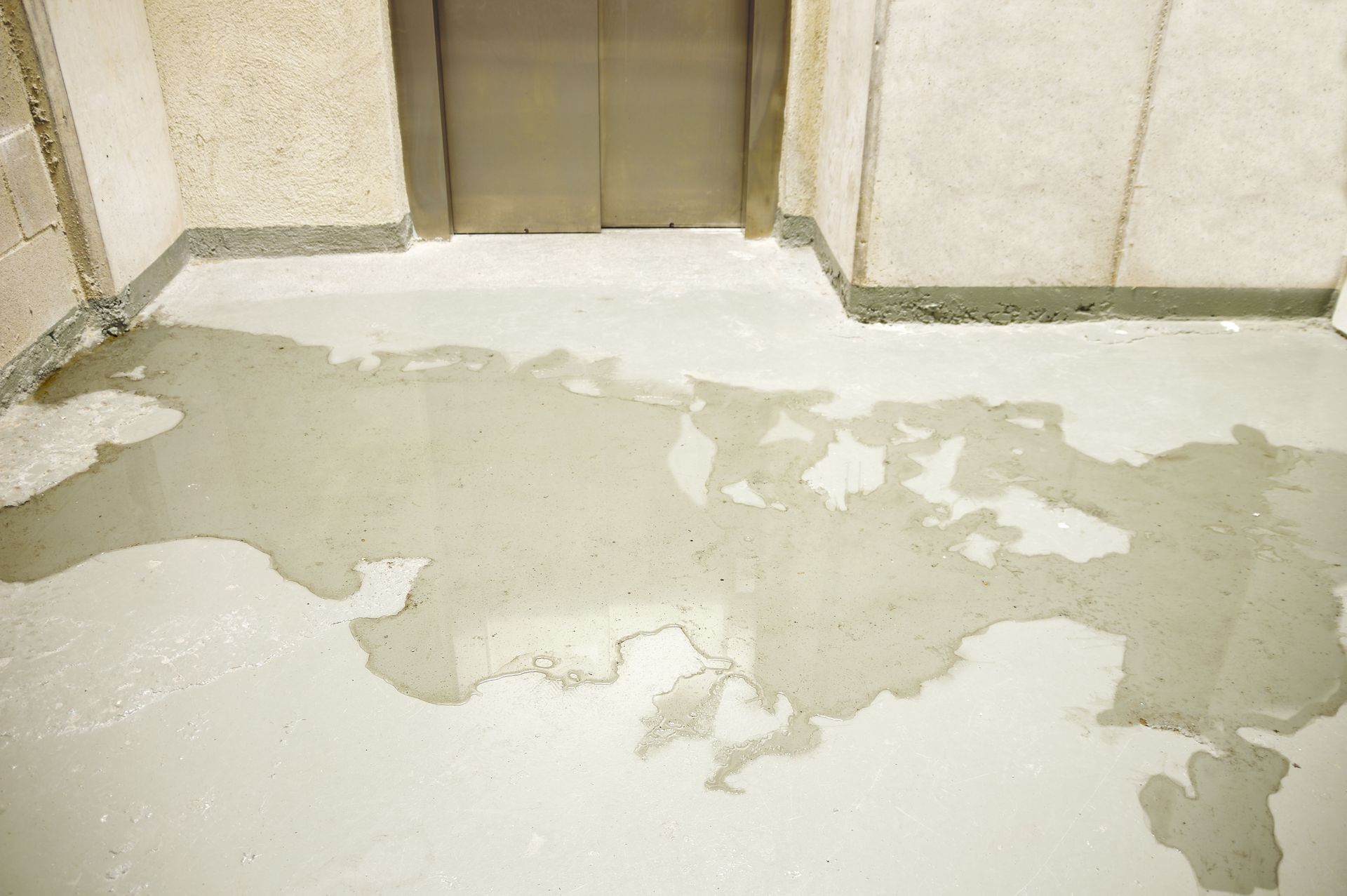
Flood prevention starts outside. Clean gutters, extend downspouts away from the house, and keep nearby drains clear. Check grading after landscaping or erosion, since changes can direct water toward the basement. Keep window wells clear of debris and use covers where appropriate.
Inside, inspect plumbing connections, water heaters, washing machine hoses, and other equipment that could leak. A sump pump can help remove groundwater that collects in a sump pit, but it needs periodic testing and maintenance. In areas prone to power outages, a battery backup may provide additional protection. A backwater valve may also be appropriate in some homes to reduce the risk of sewage backing up through floor drains.
No single measure prevents every type of flooding. The right approach depends on whether water comes from runoff, groundwater, plumbing, or sewer backups. If water repeatedly enters, a basement repair company can assess drainage and foundation conditions and recommend a solution. Address recurring problems before installing new flooring or drywall. Homeowners in flood-prone areas may also want to keep valuable items on shelves rather than directly on the floor and store important documents in waterproof containers. These steps do not replace repairs, but they can limit losses if water gets inside.
Why Is My Basement Ceiling Leaking?
A basement ceiling leak may originate several feet from the visible stain. Common causes include leaking plumbing, loose connections, overflowing tubs, damaged appliance hoses, or water entering through the roof or exterior walls. Condensation on cold pipes can also leave surfaces damp.
If it is safe, check the area directly above the stain for plumbing fixtures, appliances, and supply or drain lines. Look for discolored ceiling material, bubbling paint, sagging drywall, or active dripping. If water is near a light fixture, wiring, or an electrical panel, avoid touching the wet area and arrange for the electrical hazard to be assessed. Shut off the relevant water supply if a plumbing leak is suspected and you can do so safely.
A plumber or basement repair company may need to assess plumbing, while a roofing specialist investigates water entering from outdoors. If the leak is connected to foundation seepage, a basement repair company can help trace it. Do not close a stained ceiling until the leak is fixed and the area is dry; trapped moisture can damage materials and encourage mold.
Some maintenance is straightforward: clean gutters, test the sump pump, and move stored items away from damp walls. Structural movement, recurring water intrusion, and widespread moisture damage warrant an assessment from a
basement repair company. According to Fixr, major work such as underpinning and stabilization requires a professional, and in many cases the house can be used again within 48 hours of the repair. Actual timelines depend on the project's scope and conditions.
A reputable basement repair company can inspect the affected areas, explain the likely source of the problem, and recommend repairs that address more than its surface appearance. Acting early can help protect the foundation, reduce the risk of mold, and prevent damage to finished spaces and belongings. With regular maintenance and timely inspections, homeowners can keep their basements safer, drier, and more useful for years to come. If you need basement repairs, reach out to A&B Masonry today!


Share On: